What Is AI Virtual Staging? Complete Guide for Real Estate (2026)
The real estate industry has undergone a remarkable transformation in recent years, and AI virtual staging stands at the forefront of this revolution. If you're a real estate agent, property developer, or homeowner looking to sell, understanding AI virtual staging could be the competitive edge you need in today's market.
What Is AI Virtual Staging?
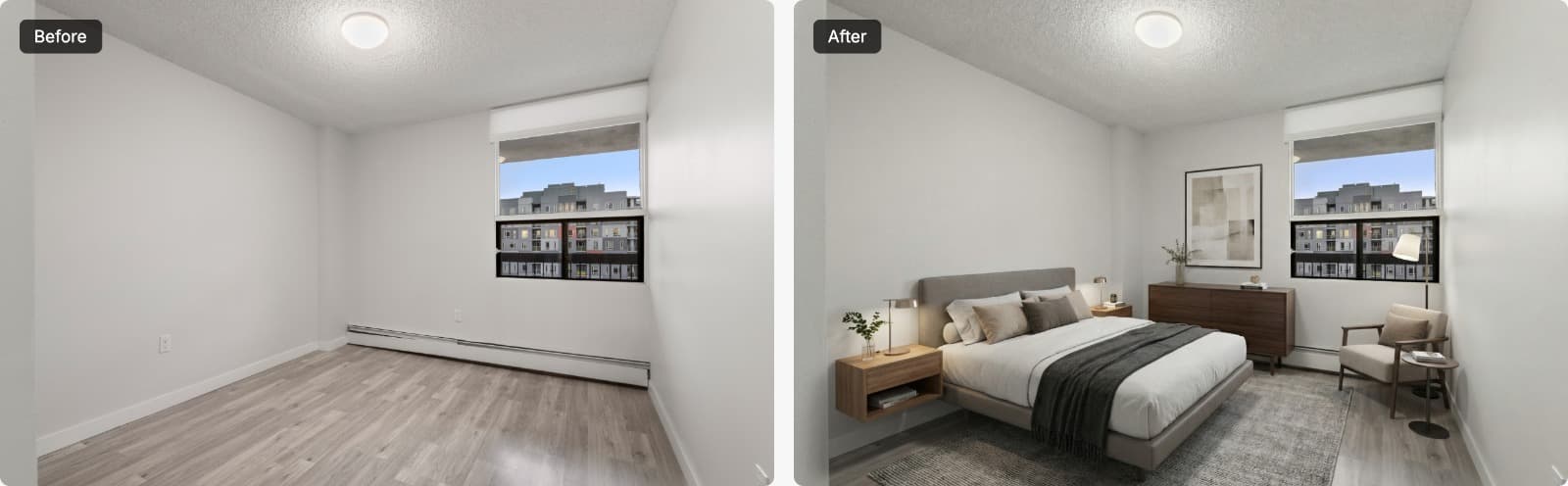
AI virtual staging is the process of using artificial intelligence to digitally furnish and decorate empty or outdated property photos. Instead of physically staging a home with real furniture and decor, which can cost thousands of dollars, AI models analyze your property images and add realistic furniture, artwork, lighting, and decorative elements entirely in the digital realm.
Think of it as Photoshop on steroids, but with the intelligence to understand room dimensions, lighting conditions, architectural features, and design principles. The result? Professional-looking, fully furnished property photos in seconds or minutes rather than days, and at a fraction of traditional staging costs.
How AI Virtual Staging Works
The technology behind AI virtual staging combines several sophisticated AI techniques:
- Computer Vision: The AI first analyzes your property photo to understand the room's layout, dimensions, floor surfaces, wall colors, natural light sources, and architectural features like windows, doors, and built-in elements.
- 3D Spatial Understanding: The model infers the three-dimensional space of the room, understanding depth, perspective, and how objects should appear in different areas of the image.
- Style Transfer and Rendering: Based on your selected style preferences (modern, traditional, Scandinavian, farmhouse, etc.), the AI places appropriate furniture and decor items. It ensures shadows fall correctly, lighting matches the room's natural light, and items are proportionally accurate.
- Deep Learning Models: Modern image models are trained on very large collections of images, which is how they learn what realistic furniture, materials, and layouts look like in different types of spaces.
The Evolution: Traditional vs. AI Virtual Staging
Traditional Physical Staging
Physical staging has been the gold standard for decades, and for good reason: it allows potential buyers to walk through a furnished space. However, it comes with significant drawbacks:
- Cost: Typically ranges from $1,000 to $5,000+ depending on the property size and rental duration
- Time: Usually requires 2-4 weeks from consultation to final installation
- Logistics: Requires coordinating movers, furniture rental companies, and staging professionals
- Maintenance: Furniture needs to be maintained throughout the listing period
- Flexibility: Once staged, making changes is expensive and time-consuming
Traditional Virtual Staging
Before AI, virtual staging was done manually by graphic designers using Photoshop. While more affordable than physical staging, it had limitations:
- Cost: Typically $20–$75 per photo
- Turnaround: Usually 24-72 hours
- Quality variance: Heavily dependent on the designer's skill level
- Limited revisions: Changes often cost extra
AI Virtual Staging (2026)
Today's AI virtual staging has matured significantly:
- Cost: Often just $1–$5 per photo
- Speed: Results in seconds to minutes
- Consistency: Reliable, high-quality results
- Flexibility: Try several styles and get a new version in seconds
- Scale: Stage hundreds of photos in the time it once took to stage one room
Key Benefits of AI Virtual Staging
1. Dramatic Cost Savings
The numbers speak for themselves. Physically staging a typical 3-bedroom home often costs a few thousand dollars once you add up design, delivery, and monthly furniture rental. With AI virtual staging, ten listing photos can cost as little as $10–$20. (Our full cost breakdown compares the options in detail.)
2. Lightning-Fast Turnaround
In today's fast-moving real estate market, speed matters. AI virtual staging delivers results in seconds to minutes, allowing you to list properties faster and respond quickly to market opportunities. Got an interested buyer who wants to see the primary bedroom staged in a different style? Done in about 20 seconds.
3. Creative Flexibility
Want to see how a room looks in five different design styles before choosing? With AI staging, you can experiment freely. Show potential buyers multiple possibilities for the same space, helping them visualize different options and find what resonates with them.
4. Appeal to Diverse Buyer Demographics
Different buyers have different tastes. Some respond to modern minimalism, others to traditional comfort. AI staging allows you to create multiple versions of your listing photos in different styles, so you can show a room's range instead of betting on one look.
5. Improved Online Engagement
Staging helps buyers picture themselves in a home: in NAR's 2025 Profile of Home Staging, 83% of buyers' agents said staging makes it easier for a buyer to visualize a property as their future home. In the digital-first real estate market of 2026, your online presentation is often your only chance to make a first impression.
6. Perfect for Vacant or Occupied Properties
AI staging works equally well for empty properties and for updating outdated furniture in occupied homes. You can digitally replace old, worn furniture with modern pieces without asking homeowners to remove their belongings.
When Should You Use AI Virtual Staging?
Ideal Scenarios
- Vacant Properties: Empty rooms look smaller and less appealing in photos. AI staging helps buyers visualize the potential and understand proper furniture scale.
- New Construction: Help buyers envision finished spaces before the property is even complete.
- Outdated Interiors: Transform dated decor into contemporary appeal without physical renovations.
- Rental Properties: Make rental listings stand out without the recurring cost of physical staging for each tenant turnover.
- Pre-Market Testing: Test different design approaches before committing to physical staging or renovations.
- Multi-Unit Developments: Stage dozens of similar units with varied styles to appeal to different buyers.
When Physical Staging Might Be Better
Virtual staging isn't always the answer. Consider traditional staging for:
- Luxury Properties: High-end buyers often expect to walk through physically staged spaces
- Open Houses: Virtual staging doesn't help when buyers tour in person
- Properties with Structural Issues: Staging can't hide major problems, and misrepresenting a property is unethical and potentially illegal
- Buyers Who Prioritize In-Person Viewings: Some buyers still prefer to experience furnished spaces in person
How to Get the Best Results from AI Virtual Staging
Photography Best Practices
The quality of your input photos dramatically affects the output. Follow these guidelines (or read our full guide to photographing empty rooms):
- Use Proper Equipment: While smartphone cameras have improved, professional DSLR or mirrorless cameras still produce superior results. At minimum, use a newer smartphone with a wide-angle lens.
- Shoot in Good Lighting: Natural daylight is best. Shoot during mid-morning or early afternoon when rooms are well-lit but not harsh. Turn on all lights in the room.
- Get the Right Angle: Stand in doorways or corners to capture as much of the room as possible. Keep your camera level; tilted angles make AI staging more difficult.
- Declutter First: Remove personal items, excessive furniture, and clutter. If you can't empty a room, an AI furniture removal tool can clear it digitally before you restage.
- Shoot High Resolution: Use the highest quality setting on your camera. Aim for at least 3000px on the longest side.
- Capture Multiple Angles: Take 3-5 shots of each room from different positions. This gives you options and helps buyers understand the space.
Selecting Appropriate Styles
- Know Your Market: Research what styles sell best in your area. Coastal modern works in beach communities; farmhouse chic appeals in rural areas; sleek contemporary suits urban lofts.
- Match the Architecture: Don't put ultra-modern furniture in a Victorian home. The staging style should complement the property's character (see our furniture style guide).
- Keep It Neutral: While trendy styles are tempting, remember that broad appeal usually means neutral, timeless design that doesn't alienate any buyer demographic.
- Consider Room Function: Stage a bedroom as a bedroom, not a home office. Buyers need to clearly understand each space's intended purpose.
- Don't Over-Stage: Rooms should look inviting but not cluttered. Leave adequate walking space and don't pack every corner with furniture.
Common Mistakes to Avoid
- Mismatched Perspectives: If the AI furniture doesn't align with the room's perspective, the image looks fake. Quality platforms handle this automatically, but review carefully.
- Unrealistic Furniture Scales: A king bed that takes up the entire bedroom looks wrong. Ensure furniture is appropriately sized for the space.
- Inconsistent Lighting: Furniture with different lighting than the room creates an obvious composite. Good AI matches lighting automatically.
- Over-Editing: Excessive brightness, saturation, or contrast makes photos look artificial. Keep adjustments subtle.
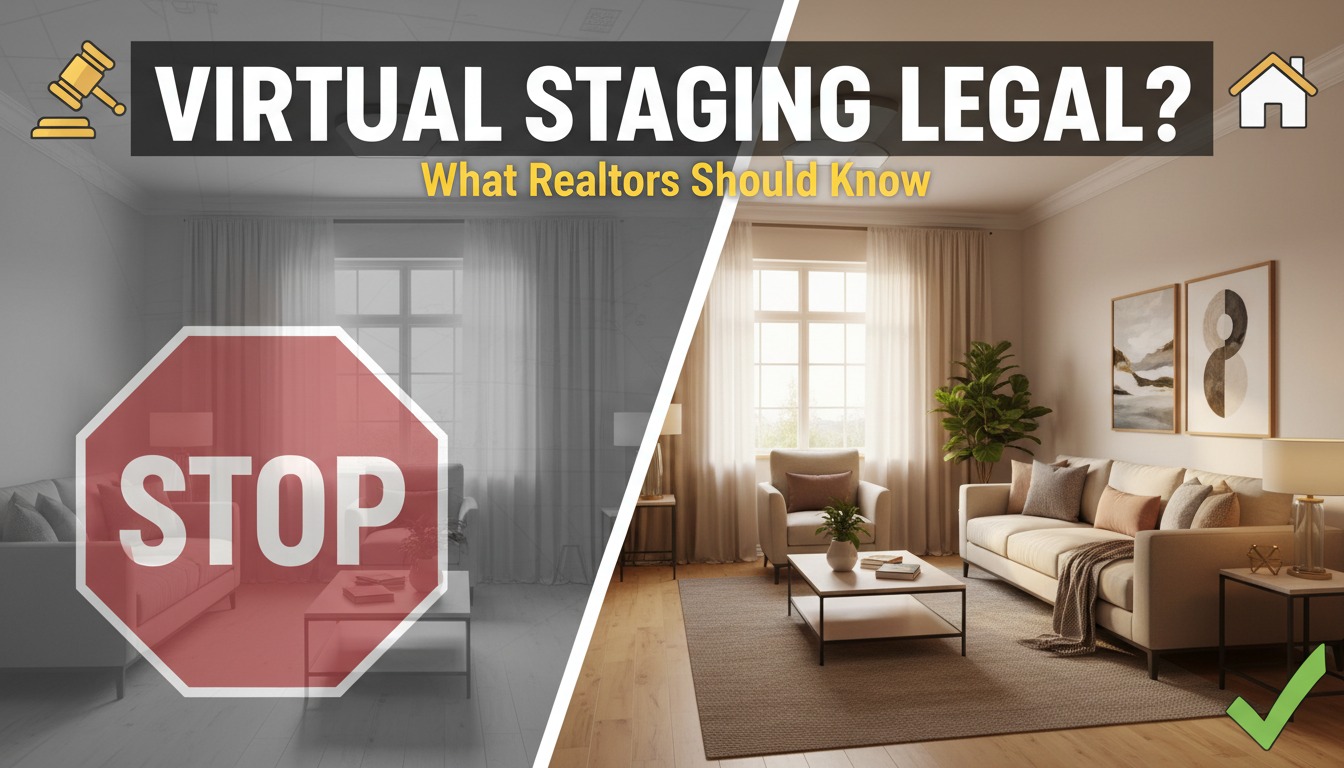
- Not Disclosing Virtual Staging: This is crucial: always disclose that photos are virtually staged. Many MLSs and some states require it, and failure to disclose can result in legal issues. More in common virtual staging mistakes.
Legal and Ethical Considerations
Disclosure Requirements
Disclosure rules come from several places: your MLS's photo policy, your state's real estate advertising rules, and, for REALTORS®, the NAR Code of Ethics' requirement to present a true picture. Some states now spell it out; California's AB 723, in effect since January 1, 2026, requires a notice on altered listing images and a link to the original photo. In practice, good disclosure usually means:
- Adding a "Virtually Staged" label to photos
- Including disclosure language in listing descriptions
- Noting which photos are staged vs. actual condition
- Providing both staged and unstaged versions when requested
Requirements vary by location and Multiple Listing Service (MLS), so always check local regulations. Our article Is Virtual Staging Legal? covers the details.
Fair Housing Compliance
Be mindful that your staging choices don't violate fair housing laws. Avoid:
- Staging that suggests the property is intended for a particular demographic
- Religious symbols or décor
- Photos of people that might imply preferred buyers
- Exclusionary design choices
Misrepresentation Risks
Virtual staging should enhance marketing, not deceive buyers. Never use staging to:
- Hide structural defects or damage
- Misrepresent room sizes
- Show features that don't exist (windows, fireplaces, built-ins)
- Suggest included furniture or appliances that won't convey
Ethical staging creates aspirational but honest representations of the property's potential.
ROI: Does AI Virtual Staging Actually Increase Sales?
What the Research Says
The most widely cited source is the National Association of REALTORS® Profile of Home Staging, a survey of agents. In the 2025 edition:
- 83% of buyers' agents said staging makes it easier for a buyer to visualize the property as their future home
- The rooms agents considered most important to stage were the living room (37%), primary bedroom (34%), and kitchen (23%)
The report covers staging in general rather than virtual staging specifically, and results vary by market, so treat it as directional and track the performance of your own listings.
For AI virtual staging specifically, the cost side of the calculation is simple:
Example Scenario:
- Property listing price: $500,000
- AI staging for 10 photos: roughly $10–$20
If staging shortens the time on market by even a few days, the savings in carrying costs (mortgage, utilities, taxes) easily cover that.
Beyond the Numbers
The value extends beyond pure mathematics:
- Agent Reputation: Professionally presented listings enhance your brand
- Buyer Confidence: Staged photos help buyers make decisions faster
- Competitive Advantage: Stand out in crowded markets
- Marketing Assets: Staged photos work across all platforms: MLS, social media, print materials, websites
AI Virtual Staging vs. CGI and 3D Rendering
It's worth distinguishing AI virtual staging from other visualization technologies:
AI Virtual Staging
- Works with actual property photos
- Adds furniture to real spaces
- Best for existing properties
- Fast and affordable
- Limited by photo quality
CGI/3D Rendering
- Creates entirely computer-generated images
- Can show properties before construction
- Unlimited creative freedom
- More expensive and time-consuming
- Perfect for pre-construction marketing
360° Virtual Tours with Staging
- Combines AI staging with virtual tour technology
- Allows "walking through" staged spaces
- More immersive than static photos
- Higher cost but increasing in popularity
- Excellent for remote buyers
Many platforms now offer combined services, allowing you to create comprehensive visual marketing packages.
Future Trends in AI Virtual Staging
What's Coming in 2026 and Beyond
- Video Virtual Staging: AI systems are beginning to stage video walkthroughs, not just photos. This allows virtually staged properties to be shown in dynamic video tours.
- Augmented Reality Integration: Buyers will use smartphone apps to see AI-staged versions of rooms while physically standing in them during showings.
- Hyper-Personalization: AI will analyze buyer preferences from their browsing history and create custom staging that matches their individual taste.
- Real-Time Staging: As processing power improves, buyers may soon reposition furniture in real time, "trying out" different arrangements instantly.
- Multi-Sensory Experiences: Integration with VR headsets for immersive, virtually staged property tours where buyers can "walk through" and interact with spaces.
- Sustainable Design Emphasis: Expect AI platforms to offer eco-friendly and sustainable design options as green living becomes more important to buyers.
- Style Transfer from Buyer Preferences: Upload photos of rooms buyers like, and AI will match that style in your staging.
Getting Started with AI Virtual Staging
Your Step-by-Step Action Plan
Step 1: Assess Your Needs
- How many properties do you list monthly?
- What's your average property value?
- Do you need occasional staging or high-volume service?
Step 2: Research Platforms
- Try free trials from multiple services (AI Virtual Staging gives you your first image free)
- Compare results with identical test photos
- Read reviews from other agents in your market
Step 3: Invest in Quality Photography
- Take a photography course or hire a professional
- Ensure you have proper equipment
- Practice shooting techniques that optimize AI results
Step 4: Start Small
- Begin with one or two rooms to test results (here's how to choose which rooms)
- Compare engagement metrics with previously unstaged listings
- Refine your approach based on results
Step 5: Develop Your Process
- Create staging style guidelines for your brand
- Establish disclosure protocols
- Build a library of successful staging examples
Step 6: Market Your Advantage
- Promote your professionally staged listings
- Use before/after comparisons in your marketing
- Educate sellers on the value you're providing
Conclusion: The Future Is Already Here
AI virtual staging represents more than just a cost-saving tool; it's a fundamental shift in how real estate professionals market properties. In 2026's competitive market, where most buyers begin their search online, the quality of your listing photos can make or break a sale.
The technology has matured to the point where virtually staged photos are often indistinguishable from professionally photographed, physically staged spaces. Combined with dramatic cost savings, fast turnaround, and the freedom to try different styles, AI virtual staging has become an essential tool for modern real estate professionals.
Whether you're a solo agent looking to compete with larger brokerages, a developer marketing new construction, or a homeowner preparing to sell, AI virtual staging offers an accessible, effective way to showcase properties at their absolute best.
The question is no longer whether to use AI virtual staging, but rather how quickly you can integrate it into your marketing strategy. Your competition likely already has.