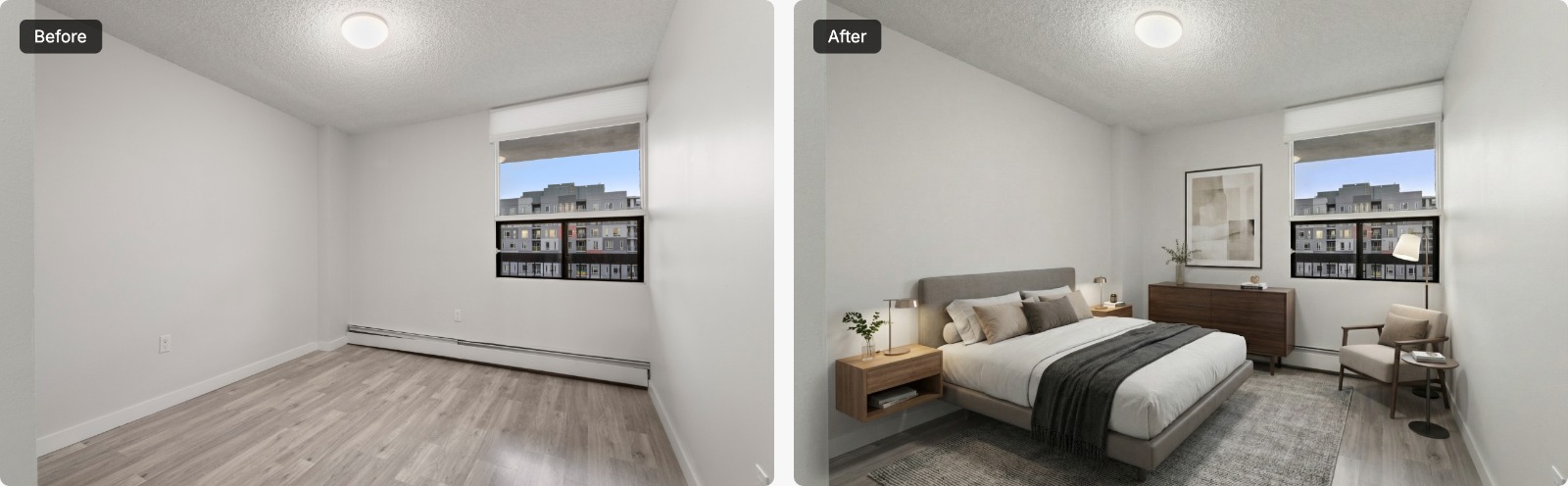
How to Choose the Right Furniture Style for Virtual Staging
Because Getting It Wrong Costs You Buyers
Here's the thing about virtual staging that nobody tells you upfront: the furniture style you choose matters way more than you think. A gorgeous property staged with the wrong vibe can feel off to the very buyers it should attract, while a modest listing with staging that clicks can punch well above its weight.
Virtual staging is incredible. You can transform an empty, soulless room into a warm, inviting space for a fraction of what traditional staging costs. But here's where people mess up: they treat it like window dressing instead of strategic marketing. They pick furniture that looks nice in isolation without thinking about who's actually going to buy this house.
So let's talk about how to actually choose furniture styles that sell homes, not just fill spaces.
Start with Who's Walking Through That Door
Before you even think about furniture, ask yourself: who's buying this place? It sounds obvious, but it's the step most people skip.
If you're selling a downtown condo, your buyers are probably young professionals who want something sleek and modern. They're scrolling through listings on their lunch break, dreaming about a place that looks like it belongs on their Instagram feed. Show them mid-century modern furniture, clean lines, maybe a statement piece or two. Give them that urban lifestyle they're craving.
But if you're selling a four-bedroom in the suburbs? That's a different story. Buyers need to see how the home works day to day: where the dining table goes, how the bedrooms can be used, whether there's room for everyone at dinner. Stage it with comfortable, durable furniture. Show them a cozy family room, not a minimalist showroom.
And luxury properties? Don't even think about cutting corners. Every piece needs to look expensive because your buyers are paying for a lifestyle. They want to see designer furniture, high-end finishes, and spaces that feel exclusive. Anything less and you're basically telling them this house isn't worth what you're asking.
The point is, furniture style isn't about what you like or what's trending on Pinterest. It's about matching what your specific buyers want to see when they imagine living in this home.
Your House Has a Personality (Work With It, Not Against It)
Picture a beautiful 1920s bungalow staged with ultra-modern furniture. The house has gorgeous original woodwork and built-in cabinets, and sleek, contemporary pieces clash with every bit of it. The staging fights the architecture instead of showing it off.
Your house already has a style, whether you recognize it or not. A modern house with floor-to-ceiling windows and an open floor plan is screaming for contemporary furniture. Trying to stage it with heavy traditional pieces makes about as much sense as wearing a tuxedo to the beach.
On the flip side, if you've got a traditional colonial with formal dining rooms and crown molding everywhere, don't fight it. Lean into that classic elegance. You don't have to go full Victorian grandmother, but the furniture should feel like it belongs in that architectural context.
The sweet spot? Transitional style. It's like the diplomatic answer to "what should I wear?" when you're not sure about the dress code. Transitional furniture blends traditional warmth with contemporary clean lines, and it suits a wide range of homes. When in doubt, go transitional.
Location, Location, Location (Yes, Even for Furniture)
What works in Miami doesn't work in Montana. Sounds simple, but people forget this all the time.
Beach properties should feel light and breezy. Think coastal contemporary with whites, blues, natural textures. Nobody wants to see dark, heavy furniture when they're buying a place to watch the sunset over the ocean. City lofts need that industrial chic vibe with exposed brick, metal accents, maybe some reclaimed wood to warm things up. Mountain homes? Go rustic or lodge style. Show them that cozy cabin feeling they're paying for.
Pay attention to what's actually selling in your market. Look at the listings that are moving fast. What style of staging are they using? If everyone's going modern and it's working, don't try to revolutionize the market with farmhouse chic. Save your creative experiments for your own house.
The Color Conversation (Keep It Simple, Keep It Smart)
Here's the advice that saves the most headaches: stick with neutrals. Yes, it sounds boring. But here's why it matters.
Neutral furniture creates a blank canvas. Buyers can actually imagine their own stuff in the space instead of being distracted by your bold furniture choices. Grays, beiges, whites, soft taupes: these colors make rooms feel bigger, brighter, and more expensive. They photograph beautifully. They appeal to basically everyone.
That doesn't mean everything has to be beige and lifeless. Add personality with accent colors in pillows, artwork, maybe a throw blanket. Blues and greens work great in bedrooms because they're calming. Warm earth tones make living rooms feel cozy. In luxury properties, you can get away with deeper, more dramatic colors because you're selling sophistication.
But whatever you do, avoid bright primary colors or anything too saturated. That hot pink sofa might look amazing to you, but it's probably turning off half your buyers. And trendy colors? They date your listing faster than you can say "millennial pink."
The goal is timeless appeal. You want buyers focusing on the house, not judging your furniture choices.
Size Matters More Than You Think
This is where virtual staging really shines, but also where people make the biggest mistakes. You have total control over furniture size, so use it wisely.
Small rooms need appropriately scaled furniture. A common mistake is staging a 10x10 bedroom with a king-size bed and two massive nightstands, leaving barely any floor space visible. That's not helping. It makes the room look cramped and unusable. Instead, show furniture that fits comfortably with room to move around. Choose pieces with exposed legs so you can see floor underneath; it creates a sense of airiness.
But here's the flip side: don't make your furniture too small in big rooms. A massive great room with tiny furniture looks weird and emphasizes the empty space instead of the potential. You want to fill the space without crowding it. Create multiple seating areas in large living rooms. Use area rugs to define different zones. Make it feel intentional and livable.
Pro tip: maintain at least three feet of walking space around furniture. If your virtual staging forces people to squeeze past furniture or walk in awkward patterns, you've failed. Buyers should be able to mentally walk through the space and feel like it works. (Scale problems are one of the most common virtual staging mistakes.)
Show Off What Makes This House Special
Every house has something that makes it worth buying. Your job is to highlight that thing, not hide it.
Got a gorgeous fireplace? Arrange the furniture around it. Make it the focal point. Has huge windows with incredible views? Don't block them with massive furniture or heavy curtains. Orient seating toward those windows. Show buyers they can enjoy that view every single day.
Open concept layouts need cohesive styling throughout. You don't want the living room to look modern while the kitchen area looks farmhouse. Keep the vibe consistent so it reads as one flowing space, but use furniture arrangements and area rugs to show how different zones work.
And those weird spaces that every house has? The awkward nook, the bonus room, the space under the stairs? Stage them. Show buyers what they could do with it. Home office, reading corner, play area, extra storage, whatever makes sense. An empty weird space makes buyers think "problem." A staged weird space makes them think "opportunity."
Don't Chase Every Trend
I get it. You see something on Instagram or HGTV and think, "That would look amazing!" But trends come and go faster than listings sell.
A few years ago, everyone was obsessed with farmhouse style. Shiplap everywhere, "Home Sweet Home" signs, chicken wire decor. Now? It already looks dated. Same thing happened with the all-white everything phase, the boho-maximalist moment, the geometric pattern obsession.
You want your staging to look current, but not trendy. There's a difference. Current means it looks fresh and modern without screaming a specific year in a way that will feel outdated by next season. Stick with classic contemporary styles, clean lines, natural materials, and you'll be fine.
Think about it this way: if someone looked at your staging in five years, would they immediately know what year you staged it? If yes, you've gone too trendy. Aim for timeless with a contemporary edge.
Match the Price Point (Or You'll Confuse Everyone)
This one's crucial: your furniture needs to look like it belongs in a house at this price point.
If you're selling a starter home for first-time buyers, don't stage it like a luxury penthouse. It confuses people. They look at the furniture and think, "I could never afford to furnish this place like that," and they move on. Show them stylish but accessible furniture that makes sense for their budget and lifestyle.
Mid-range properties are the sweet spot for transitional or updated contemporary furniture. It should look nice and thoughtfully chosen without venturing into designer territory. Think West Elm, not Restoration Hardware.
And luxury properties? Every single piece should look expensive. High-end contemporary, sophisticated traditional, designer-quality finishes, statement lighting. If you're asking seven figures for the house, the virtual furniture better look like it cost a fortune. Buyers at that level notice quality, and they'll judge the entire property if the staging looks cheap.
When in Doubt, Go Broader
Here's something worth knowing early: specific is risky. The more specific and niche your furniture style, the fewer people will connect with it.
Super-themed rooms are dangerous. That nautical bedroom might be perfect for someone who loves boats, but what about everyone else? The ultra-rustic farmhouse living room? Great for the right buyer, alienating for many others. Heavily themed spaces make people think about redecoration costs instead of move-in readiness.
Broader appeal doesn't mean boring. It means choosing furniture styles that resonate with more people. Transitional, modern contemporary with warm touches, updated classic: these styles work for most buyers because they feel both current and comfortable.
Save the bold, specific choices for properties where they genuinely make sense. That beachfront condo? Yes, go coastal. That converted warehouse loft? Absolutely lean into industrial. But for most suburban homes? Play it safer and watch how much faster they move.
Actually Pay Attention to What Works
The beauty of virtual staging is that you can test different approaches and see what actually works in your market. With AI staging you can try the same room in several styles in minutes. AI Virtual Staging offers nine, from Modern and Scandinavian to Mid-century, Japandi, Coastal, and Farmhouse, so you can compare before you commit.
Track your listings. Which ones are getting the most views? The most showings? The fastest offers? What furniture styles did you use? Talk to buyers and their agents. What made them click on the listing? What made them want to see it in person?
If you're consistently getting great results with modern contemporary staging, keep doing that. If transitional is your moneymaker, lean into it. Don't switch things up just because you're bored with the style. This isn't about your personal taste; it's about what sells.
And be willing to adjust based on results. If a certain style isn't moving properties, try something different. The market will tell you what works if you're paying attention.
The Bottom Line: Make Them Feel It
At the end of the day, furniture style for virtual staging comes down to one thing: making buyers feel something.
You want them to look at that staged living room and imagine themselves relaxing there after a long day. You want them to see that dining room and picture hosting Thanksgiving dinner. You want them to feel like this could be their home, not just another listing they scrolled past.
The right furniture style creates that emotional connection. It tells a story about the life they could have in this space. It makes an empty house feel like a home they already want to live in.
So before you choose furniture for your next virtual staging project, take a step back. Think about who's buying this house. Consider what the architecture is telling you. Look at what's working in your market. Match the price point. And above all, create spaces that make people feel something.
Because the best virtual staging isn't about showing off pretty furniture. It's about selling the dream of home. Get the furniture style right, and everything else falls into place.
Now go stage some houses that actually sell.