Common Virtual Staging Mistakes That Kill Listings
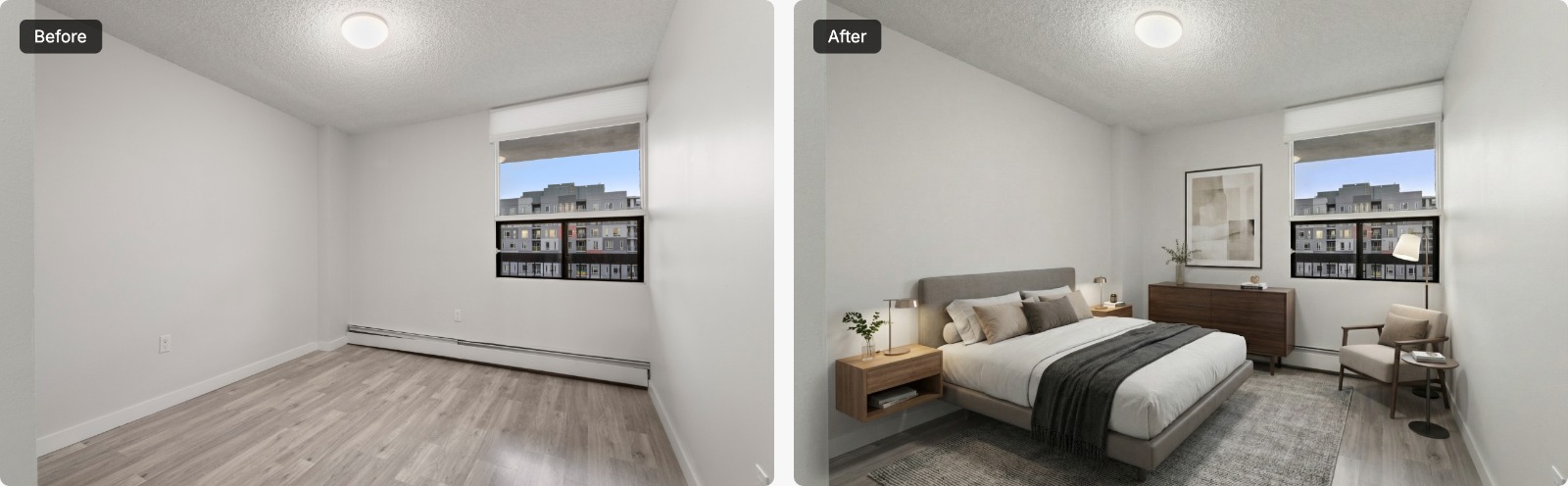
Virtual staging has become an indispensable tool in real estate marketing, allowing agents to transform empty or outdated spaces into magazine-worthy homes at a fraction of traditional staging costs. When done right, virtually staged photos can help buyers envision themselves in a property, generate more interest, and even lead to faster sales at higher prices.
But here's the problem: not all virtual staging is created equal. Poor execution can backfire spectacularly, eroding trust with potential buyers and actually harming your listing's performance. Let's explore the most common mistakes that can turn this powerful marketing tool into a liability.
1. Using Unrealistic or Over-the-Top Furniture
The fastest way to lose credibility is staging a modest 1,200-square-foot ranch with furniture that belongs in a luxury penthouse. When the virtual furniture looks like it came straight from a high-end design magazine but doesn't match the home's price point, style, or era, buyers immediately recognize the disconnect.
Your staging should reflect what the target buyer would actually put in the space. A starter home needs approachable, contemporary pieces from retailers buyers know and love. A historic Victorian deserves period-appropriate furniture that honors its character. Luxury properties can handle more dramatic choices, but even then, the furnishings should feel attainable to your buyer demographic.
Scale matters tremendously here. A king bed that barely fits in a 10×10 bedroom signals dishonesty about room dimensions. Oversized sectionals in compact living rooms raise red flags. If the furniture looks impossibly large or luxurious for the space, buyers will question what else might be misleading. Our furniture style guide covers how to match pieces to the home and the buyer.
2. Ignoring Lighting and Shadows
Nothing screams "fake" louder than furniture floating in space with no shadows, or worse, shadows pointing in the wrong direction from the room's actual light sources. Professional virtual staging must account for the existing lighting conditions in the photograph.
The virtual furniture should cast shadows that match the direction, intensity, and color temperature of the natural and artificial light already present in the room. Morning light creates different shadows than afternoon light. North-facing rooms have cooler tones than south-facing ones. These details matter.
Similarly, if you're staging a room with bright sunlight streaming through windows, the furniture shouldn't look like it was photographed on a cloudy day. The lighting on virtual objects must harmonize with the room's existing conditions, or the entire scene falls apart under scrutiny.
3. Staging Homes Without Proper Disclosure
This is both an ethical issue and a legal one in many jurisdictions. Failing to clearly disclose that images are virtually staged can result in serious consequences, including complaints to real estate boards, potential lawsuits, and permanent damage to your reputation.
Every virtually staged photo should include a clear disclaimer, whether it's a watermark on the image itself, a prominent note in the listing description, or both. Phrases like "Virtually Staged," "Digitally Staged," or "Photos Have Been Virtually Staged to Illustrate Potential" leave no room for confusion. For the rules in more detail, see Is Virtual Staging Legal?
Remember, the goal isn't to trick buyers into thinking the furniture is real. It's to help them visualize the possibilities. Buyers who show up to an empty home expecting furnished rooms will feel deceived, and that's not a relationship you want to start with a potential client.
4. Inconsistent Staging Throughout the Listing
Picture this: the living room is staged in sleek modern minimalism, the bedroom features heavy traditional furniture, and the home office looks like it belongs in a beach cottage. This disjointed approach confuses buyers and disrupts the narrative you're trying to create about the home.
Successful virtual staging tells a cohesive story. The style, color palette, and design aesthetic should flow logically from room to room, just as it would in a professionally staged physical home. This doesn't mean every room needs identical furniture, but there should be a unifying vision that helps buyers imagine living in the entire house, not just individual rooms.
Also consider which rooms to stage. Staging the primary bedroom and living room while leaving the kitchen and bathrooms empty creates a jarring experience as buyers scroll through photos. Either commit to staging the key spaces throughout, or carefully select which rooms will benefit most from the treatment.
5. Poor Quality Rendering and Resolution
Grainy, pixelated virtual furniture looks cheap and unprofessional. When the quality of the staged elements doesn't match the quality of the original photograph, it's immediately noticeable and undermines the entire listing.
Use professional-grade virtual staging that produces high-resolution images with proper textures, reflections, and depth. The furniture should look as crisp and detailed as the room itself. This is particularly important for online listings where buyers are zooming in on photos to examine details.
Low-quality staging often includes other telltale signs: blurry edges around furniture, lack of texture detail, flat-looking surfaces, and poor color matching. These issues signal to buyers that corners were cut, making them wonder what else about the listing might be substandard.
6. Neglecting Room Proportions and Functionality
Staging a dining room with a table that seats twelve when the space can realistically accommodate six is misleading. Placing a desk where a door would swing open, or positioning a bed in front of a closet, suggests you don't understand how people actually use spaces.
Every piece of virtual furniture should be proportionally accurate and positioned in a way that makes practical sense. Leave appropriate walkways between furniture pieces. Don't block windows, doors, heating vents, or electrical outlets. Show that the room functions for its intended purpose while still leaving adequate circulation space.
Buyers are mentally walking through these rooms and testing whether their furniture will fit. When the staging ignores basic spatial logic, it breaks that mental exercise and creates doubt about the room's true usability.
7. Overstaging or Cluttering Spaces
More isn't always better. Cramming too many decorative accessories, artwork, plants, and furniture pieces into a room makes it feel smaller and busier than it actually is. The point of staging is to highlight the space's potential, not to obscure it with visual noise.
Good staging creates breathing room. It shows off the bones of the house, the beautiful windows, the gleaming floors, the architectural details. Every piece should serve a purpose in helping buyers understand the scale and function of the room. Excessive styling with countless throw pillows, layered rugs, gallery walls, and decorative objects distracts from what you're actually selling: the property itself.
Empty corners are okay. Negative space is valuable. Let the room speak for itself with just enough furnishing to provide context and scale.
8. Ignoring the Home's Actual Style and Architecture
Staging a 1970s split-level with ultra-contemporary furniture, or filling a modern new build with rustic farmhouse decor, creates cognitive dissonance. The staging should complement and enhance the home's existing architectural character, not fight against it.
Consider the home's era, style, and features when selecting virtual furniture. Midcentury modern homes shine with period-appropriate or contemporary pieces that honor clean lines and organic shapes. Traditional colonials call for classic furniture that respects their formal character. Industrial lofts need staging that plays up their urban edge.
This doesn't mean you can't update an older home's look, but the staging should feel like a natural evolution rather than a jarring transplant. The goal is to help buyers see how the home could work for contemporary living while respecting its inherent character.
9. Failing to Stage the Most Important Rooms
Not all rooms carry equal weight in a buyer's decision-making process. Spending your virtual staging budget on a bonus room while leaving the primary bedroom empty is a strategic mistake.
Focus on the spaces that matter most: living room, primary bedroom, kitchen (if it needs context for scale), and any other unique selling points like a home office or finished basement. These are the rooms where buyers spend time imagining their daily lives. In NAR's 2025 Profile of Home Staging, buyers' agents named the living room (37%), primary bedroom (34%), and kitchen (23%) as the most important rooms to stage. For a room-by-room plan, see how many rooms to virtually stage.
Secondary bedrooms can often be left empty or minimally staged, especially in homes targeting families who know those rooms will become their children's spaces. But the main gathering areas and the primary suite should absolutely receive attention, as these are the emotional anchors of the home.
10. Using Dated or Trendy Styling
Virtual staging that looks like it came from a 2015 Pinterest board immediately dates your listing. Overly trendy choices age just as poorly. That chevron pattern that was everywhere five years ago now screams "outdated," while ultra-trendy colors and styles risk alienating buyers who don't share that specific taste.
Aim for timeless, broadly appealing design choices. Neutral color palettes, classic furniture silhouettes, and universally attractive styling have staying power and appeal to the widest possible audience. Think Restoration Hardware or West Elm catalog rather than fast-fashion furniture trends.
Remember, your staging should help buyers envision their future in the home, not remind them of yesterday's trends or alienate them with polarizing style choices.
The Bottom Line
Virtual staging is a powerful marketing tool, but only when executed with care, professionalism, and strategic thinking. The best virtual staging is almost invisible: buyers should leave a listing tour thinking about the wonderful spaces and how they'd use them, not about the computer-generated furniture.
Avoid these common mistakes by being transparent with buyers, staying true to the home's character, and always keeping your target buyer in mind. When done right, virtual staging doesn't just add furniture to photos; it adds value to listings, helping properties sell faster and for better prices.
The homes that benefit most from virtual staging aren't the ones trying to hide flaws or mislead buyers. They're the ones using this technology to bridge the imagination gap, helping buyers see not just four walls and empty floors, but a place they could call home.